Content Hub.
Learn what Content Hub means in modern search and SEO.
A centralised section of a website that organises all content on a broad topic into a structured, interlinked resource centre — also called a resource hub or learning centre.
A content hub is a structured, centralised section of a website that organises all content related to a broad topic — bringing together pillar pages, cluster articles, glossaries, case studies, and other resources into an interlinked, navigable destination. Content hubs build topical authority, improve user experience by making content discoverable, and concentrate internal link equity on high-priority content.
Content Hub vs. Blog
A blog is a chronological feed of content in reverse publication order. A content hub is organised by topic and user need — not by recency. Users visiting a hub can find the specific content they need through navigation, categorisation, and internal linking; blog archives require scrolling or searching through time-based content. Hubs serve both user experience and SEO better than blog archives for evergreen, topical content.
Hub Architectures
Common hub architectures: spoke-and-hub (one broad pillar page surrounded by narrower cluster articles), resource library (tagged content searchable by topic and format), learning centre (sequential curriculum-style organisation for educational content), and FAQ/glossary hub (question or term-based navigation). The best architecture depends on the content volume, type diversity, and user journey the hub serves.
Hub and Authority Building
Content hubs concentrate topical authority because: (1) many cluster pages link internally to the pillar/hub page, building its PageRank, (2) external sites seeking to reference the topic are more likely to link to a comprehensive hub than to a single article, (3) Google's quality systems recognise the site as covering the topic comprehensively rather than superficially. A well-constructed hub is one of the highest-leverage long-term SEO investments.
Articles about Content Hub
Read more on the Aergos blog.
What Is a Topic Cluster and Should You Build One?
Topic clusters are everywhere in content strategy conversations, but the execution is messier than the diagrams make it look. Here's what the model actually involves, when it pays off, and when you're better off doing something else first.
Read article
Internal Linking: The SEO Strategy Most Sites Get Wrong
Internal linking is one of the highest-leverage SEO moves you can make — and most sites completely botch it. This guide covers anchor text, link depth, orphan pages, and the pillar-cluster model so you can fix yours today.
Read article
Hugging Face Models Used to Generate Deepfake Nudes of Women and Children
A European nonprofit found that seven out of nine top image editing models on Hugging Face will strip clothing from photos of women and children using simple, unmodified prompts. The platform has policies against this content — but no platform-level enforcement to back them up. Here's what happened and what it means for AI trust and safety.
Read article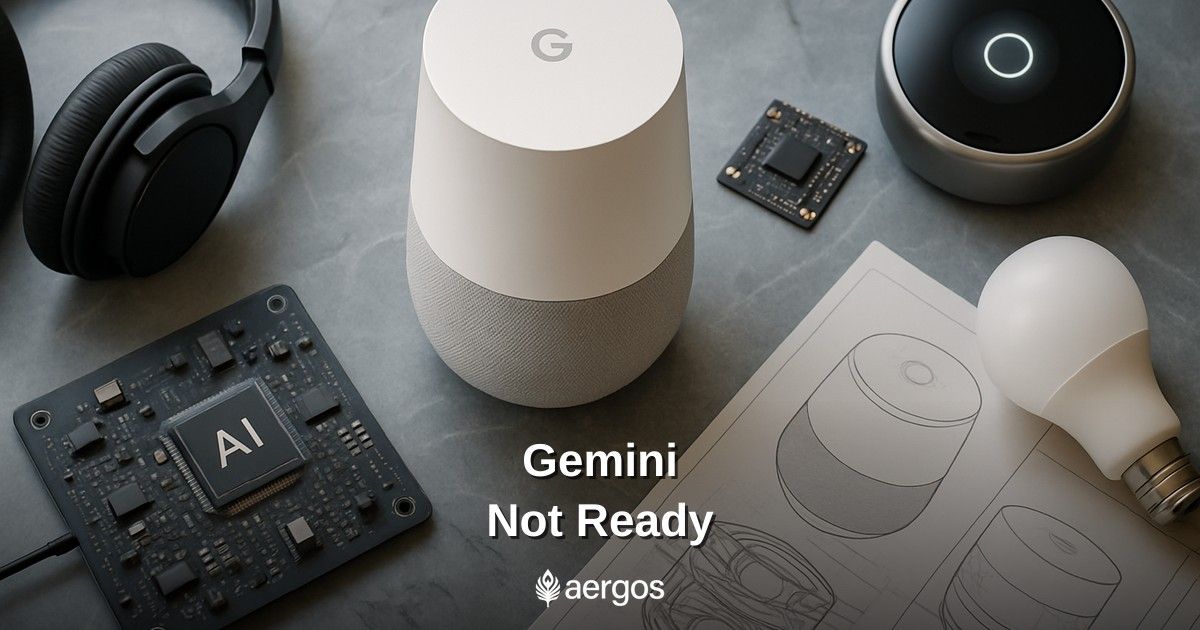
Google Home Speaker Review: Great Hardware, Unfinished Gemini
Google just launched its first new smart speaker in six years, priced at $99.99 and built around Gemini. The hardware impresses. The AI assistant? Not so much. Here's what the launch means for voice search and AI-powered assistants.
Read article
Google Home Speaker Review: Great Hardware, Half-Baked Gemini
Google just released its first new smart speaker in six years, priced at $99.99 and built around Gemini for Home. The hardware is genuinely good. The AI? Still a work in progress. Here's what The Verge's review tells us about where AI assistants actually stand right now.
Read article
How Much Does AI Visibility Optimization Cost? A Realistic 2026 Breakdown
AI search is no longer a future concern — it's where your customers are looking right now. But what does it actually cost to show up there? Here's a honest, size-by-size breakdown of AI visibility costs for 2026.
Read articleReady to close the loop?
See every term in action
Aergos tracks your AI and organic visibility across every channel, in one platform.
Not ready to talk? Audit your site free →