SEO Content Brief.
Learn what SEO Content Brief means in modern search and SEO.
A document provided to writers before creating a piece of content that outlines the target keyword, search intent, recommended structure, and key topics to cover.
An SEO content brief is a document created before writing begins that gives writers the research, context, and structure they need to produce content that ranks for a target keyword. A well-crafted brief reduces revision cycles, ensures on-page SEO requirements are met without keyword stuffing, and produces higher-quality first drafts.
What a Content Brief Should Include
Target keyword (primary and secondary), search intent analysis (what type and format of content ranks), target word count (based on SERP benchmark), recommended H1 and H2 headings, questions to answer (from People Also Ask and related searches), key points and data to include, internal and external link suggestions, meta title and description draft, and the target audience persona. Competitive differentiation notes ('our content should add X which competitors miss') elevate brief quality.
Brief Creation Tools
Tools like Clearscope, Surfer SEO, Frase, and MarketMuse generate data-driven content briefs from SERP analysis — identifying the semantic keywords, headers, and topic coverage of top-ranking pages. These tools save research time but require human judgment to distil their outputs into actionable writer instructions; raw tool outputs are not usable briefs.
Brief Quality and Content Quality
The brief is the leverage point in the content production workflow. A detailed, well-researched brief turns an average writer into a competent SEO content producer. A weak brief — or no brief — forces writers to make uninformed decisions about structure, depth, and keyword usage that harm both quality and ranking performance. Investing in brief quality is higher leverage than investing in expensive writers without briefing support.
Articles about SEO Content Brief
Read more on the Aergos blog.
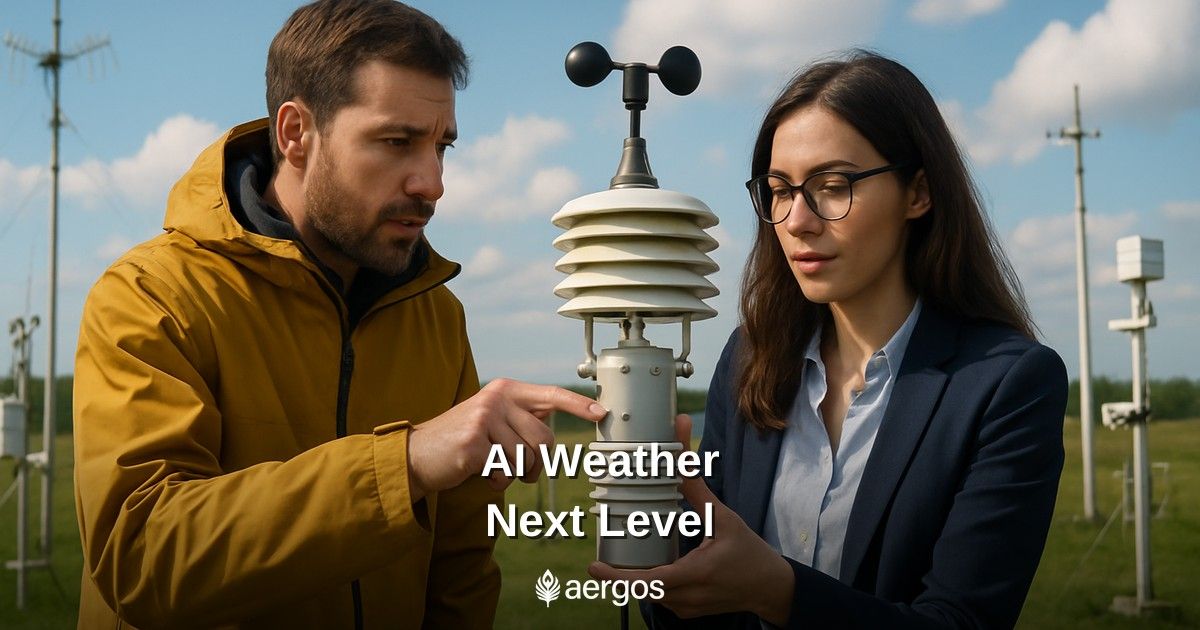
Google Launches WeatherNext 3: AI Forecasts Now 5x Sharper
Google DeepMind launched WeatherNext 3 on September 3, 2026 — an AI weather model that produces hourly forecasts at up to 5-kilometer resolution using live satellite data. It's now live in Google Search, Maps, Gemini, and Cloud. Here's what changed and why it matters beyond the weather report.
Read article
The September 2025 Complete Guide to Local SEO
Whether you're running a single storefront or managing dozens of locations, this is the local SEO guide you'll actually bookmark. Updated for September 2025, it covers everything from Google Business Profile fundamentals to multi-location strategy and AI search visibility — with practical steps you can start today.
Read article
The Agency Owner's Complete Guide to SEO Reporting (September 2025)
Most agency clients don't lose faith in SEO — they lose faith in the report. This September, we're breaking down everything you need to build SEO reports that actually retain clients: what to show, what to cut, how to frame rough months, and how to automate the whole process without losing the human touch.
Read article
White-Label SEO: A Practical Guide for Agencies
White-label SEO lets agencies deliver expert search services under their own brand without hiring a full in-house team. This guide covers how to find providers, price your resold services, and keep quality high enough that clients never notice the handoff.
Read article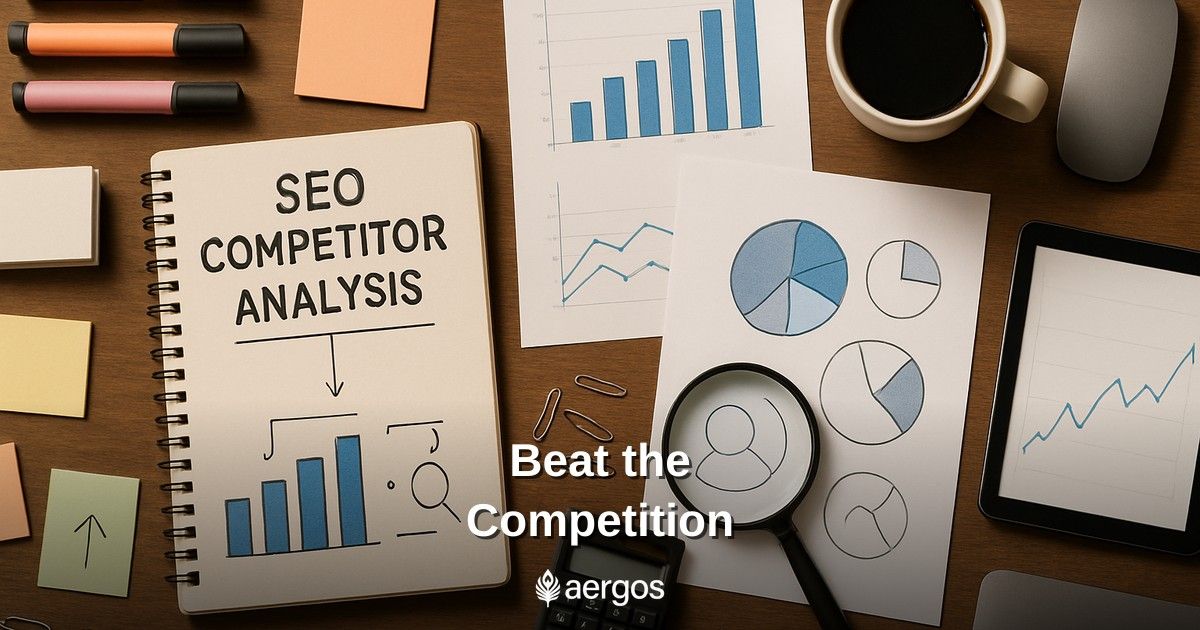
How to Run an SEO Competitor Analysis Step by Step
An SEO competitor analysis tells you exactly why your competitors rank above you — and what it would take to pass them. This step-by-step guide covers how to find the right competitors, dissect their keywords and backlinks, and turn what you learn into a plan that moves rankings.
Read article
Meta AI Launches Mac App With Screen Sharing and Workspace Tools
Meta has launched a dedicated Mac app for its AI chatbot, bringing screen-aware suggestions, dictation support, and Google Workspace integration to desktop. The move puts Meta AI in direct competition with Gemini, ChatGPT, and Claude on the desktop productivity front. Here's what it means for marketers and agency teams.
Read articleReady to close the loop?
See every term in action
Aergos tracks your AI and organic visibility across every channel, in one platform.
Not ready to talk? Audit your site free →