OpenAI Launches ChatGPT Business Hub With Website Click Data

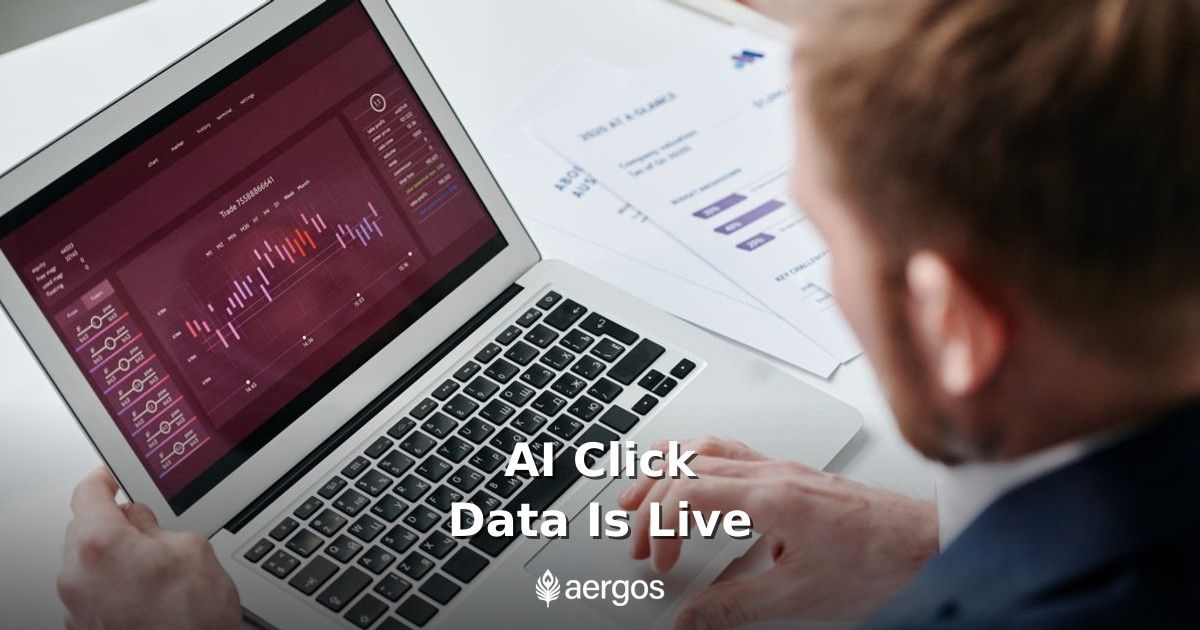
OpenAI launched Businesses in ChatGPT on November 10, 2026, giving brands a Business Hub where they can claim their listing, manage their information, and, most importantly, see how many people are clicking from ChatGPT conversations to their website. If you've been doing AI visibility tracking, this is real click data straight from a major AI platform. According to Search Engine Roundtable, the Business Hub is currently in beta and rolling out to eligible ecommerce and online service businesses in the United States.
OpenAI stated that ChatGPT now reaches 1.2 billion people each week. That number alone should stop you mid-scroll. Getting a window into how that audience interacts with your brand, and whether they're actually clicking through to your site, is a genuinely new capability for digital marketers.
What the ChatGPT Business Hub Actually Includes
The Business Hub gives businesses three core things: analytics, profile management, and a new Business Agent feature. On the analytics side, OpenAI confirmed the hub shows "the number of mentions and website clicks a business receives." There's also a discovery topics feature that surfaces common themes from conversations where your website was cited. Think of it as a rough topic-level report showing you why ChatGPT keeps pulling your site into answers.
The click metric comes with a caveat worth noting. According to OpenAI's own tooltip language (as reported by Barry Schwartz at Search Engine Roundtable): "Clicks don't confirm website visits or conversions." So treat this like any top-of-funnel engagement signal, directional, not definitive. It tells you people tapped your link inside ChatGPT. What happened next is still on your analytics stack to figure out.
The Business Agent feature is an interesting wrinkle. Eligible businesses can add a conversational agent to their hub profile, letting users ask follow-up questions about products and services directly inside ChatGPT. OpenAI's example scenario: a user comparing two products could query the Business Agent about which features fit their needs. This is early-stage, limited to eligible ecommerce and online service businesses in the U.S. for now, but the direction is clear.
Claiming your business works through phone or text verification to your main business number, or through DNS verification. Barry Schwartz confirmed he verified his own listing via DNS. He also noted he wasn't seeing data yet, though some users on X were already reporting data appearing in their hubs, suggesting a phased rollout.
What ChatGPT Business Hub Click Data Means for SEO and AI Visibility
Picture this: a potential customer asks ChatGPT to compare services in your category. ChatGPT mentions your brand, surfaces your website, and the user clicks. Until now, you had no view of that click from inside ChatGPT. It showed up nowhere in Search Console, and GA4 referral data only captured the visits that made it through, with no context on why. You had no idea how often this was happening or what topics were driving it.
The Business Hub changes that, at least partially. The discovery topics feature is especially useful. If ChatGPT is citing your site most often in conversations about a specific product category or use case, that's a signal worth acting on. It tells you where your content authority is registering inside the model. That's data you can use to double down on the content that's already working in AI search.
The Business Agent piece has longer-term implications for content strategy. If users can query your business directly inside ChatGPT, the information you provide to that agent matters enormously. Thin, vague product descriptions won't cut it. You'll want structured, specific, accurate content feeding that agent if you want it to represent your brand well.
And yes, the security concern Barry Schwartz raised is real. He admitted being "honestly nervous about people hijacking businesses" on the platform. OpenAI is using phone, text, and DNS verification to prevent that, but DNS verification for a business listing is a relatively low bar compared to, say, Google Business Profile's established review process. This is worth watching as the beta matures.
How to Claim Your ChatGPT Business Hub Listing Right Now
Don't wait on this one. If you're eligible, claiming your listing early gets verification out of the way and positions you for whatever OpenAI expands next. Here's what to do:
- Go to the ChatGPT Business Hub and search for your business by name.
- Claim your listing using phone call, text, or DNS verification. DNS is fast if you have direct access to your domain registrar.
- Review the information ChatGPT already has about your business. Correct anything outdated or inaccurate.
- Once your analytics populate, check your discovery topics first. Those are your highest-leverage content opportunities inside AI search.
- If you're eligible for a Business Agent, evaluate whether your product or service content is detailed enough to power useful conversational answers. If not, that's your next content project.
ChatGPT Business Hub and the Broader Shift Toward AI Search Analytics
This launch doesn't come out of nowhere. Google has been showing AI Overview impressions in Search Console for a while now, and Perplexity has been signaling its own interest in business relationships. OpenAI's move is the most direct so far: a full analytics interface built for brands inside a conversational AI platform.
AI search was always going to need to give brands measurement tools or risk being ignored in favor of channels that could prove ROI. This is OpenAI making that move. It's still beta, still U.S.-focused, still limited by category, but the infrastructure is now there.
The click data gap has been one of the biggest frustrations for anyone trying to make the case internally for investing in AI search optimization. Brand mentioned in ChatGPT? Great. Any traffic? No idea. That argument gets harder to make when you can't point to a number. Business Hub is the beginning of solving that problem.
For agencies, this is also a reporting opportunity. Clients are going to start asking what their ChatGPT click numbers look like. If you're already tracking AI visibility across platforms, you'll want to fold this data source into your reporting workflow. Dedicated AI visibility tracking can help you build a fuller picture alongside the native Business Hub data.
What Agencies and Marketers Should Do With ChatGPT Business Hub Data
Claim the listing today, before a competitor does (or worse, before someone else does). Then treat the discovery topics report like a content brief. If ChatGPT is citing your site in conversations about a topic you haven't fully developed yet, that's a gap worth closing. Write the definitive resource on that topic, structured clearly, with specific facts and direct answers.
On the Business Agent side, audit your existing product and service content for specificity. Vague marketing language doesn't help a conversational agent answer a comparison question. Concrete specs, clear differentiators, and honest use-case descriptions do.
Track your click data month over month from day one. Even with the "clicks don't confirm visits" caveat, the trend line matters. If clicks go up after you publish a new piece of content or update your business information, that's a feedback loop worth understanding.
And keep an eye on the rollout. This launched for eligible ecommerce and online service businesses in the U.S. If your category or geography isn't included yet, it likely will be. Getting familiar with the product now means you'll move faster when access opens up.
Frequently Asked Questions
Is your site set up to show up in search and AI?
Run a free instant audit. We check the on-page SEO basics and the files that control whether search engines and AI crawlers can access your site: robots.txt, sitemap.xml and llms.txt.
Free · instant · no sign-up for your first audit.
Related Articles


Glossary terms in this article
Brush up on the definitions.
Google's free business listing tool that manages how a business appears in Google Search and Maps, including the Local Pack.
The planning, development, and management of content to achieve specific business goals across all channels and formats.
The extent to which a brand's content is referenced, cited, or surfaced in AI-generated answers from tools like ChatGPT, Gemini, and Perplexity.
A software system that indexes web content and returns ranked results in response to user queries, including Google, Bing, Yahoo, DuckDuckGo, and AI-powered answer engines.
Google's AI-generated summary that appears at the top of search results, synthesising information from multiple sources.
The number of times a URL, ad, or piece of content is displayed to a user, in search results, on social media feeds, or in ad placements, regardless of whether it is clicked.
About Matt Weitzman
Senior SEO/GEO Strategist & Founder
Matt has over 15 years of experience in technical SEO and digital marketing. He specializes in algorithmic recovery, enterprise architecture, and leveraging AI for content scaling. He is a frequent speaker at search marketing conferences.
More articles by Matt Weitzman