OpenAI Is Adding Visual Ads to ChatGPT Image Generation

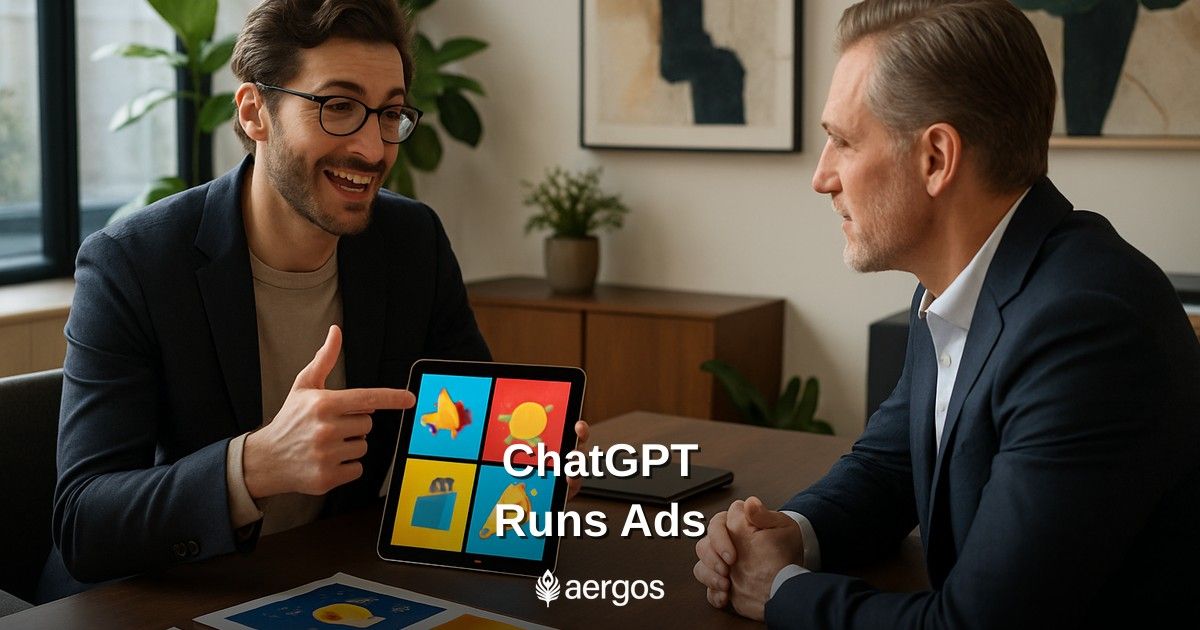
OpenAI announced on Monday that it is expanding advertising inside ChatGPT with a new visual format that places images of sponsored products and services directly on users' screens. According to OpenAI is sticking more ads in ChatGPT, the company will begin testing these visual ads in the US later this month, with the ads initially appearing when users generate images using ChatGPT.
This is not OpenAI's first move into advertising. The company first brought ads to ChatGPT in February, though that earlier format was limited to text: a company's name, logo, and a product link displayed in a "sponsored" section beneath the chat. The new visual format is a meaningful step up in both prominence and potential reach.
The Details: What OpenAI Actually Announced
The new visual ads will appear separately from whatever image a user generates. OpenAI was explicit on this point, stating the ads will "not influence the answers ChatGPT provides." That separation matters, at least optics-wise, as the company tries to hold the line between monetization and user trust.
OpenAI says it has guardrails in place to determine when a conversation is "appropriate" for ads, with a stated goal of keeping ads out of "emotionally vulnerable, sensitive, or otherwise unsuitable contexts." What those guardrails look like in practice, and how well they hold, remains to be seen.
The rollout starts with an "initial group of advertisers" and the company says it plans to test new formats in the future. So this is a starting point, not a finished product.
One more thing worth knowing: ads won't appear if you subscribe to ChatGPT's Plus, Pro, or Enterprise plans. Free users are the audience here, which makes sense from a business model standpoint. It also means the bulk of casual, top-of-funnel queries are the ones that will be ad-supported.
What This Means for You
Picture this: a user opens ChatGPT to generate a product mockup or a social media image, and while they're waiting, a sponsored visual from a competing brand appears right there on the screen. That's not a hypothetical anymore. That's the product OpenAI is building.
For marketers and agency owners, this opens a new channel worth watching closely. ChatGPT's free tier reaches an enormous number of people. If OpenAI is placing visual ads at the moment of image generation, that's a high-engagement context, users are actively creating, not passively scrolling.
But here's the tension. ChatGPT has been eating into traditional search volume for informational queries. Many of those users are specifically trying to avoid ad-heavy environments. If the ad experience inside ChatGPT becomes too heavy-handed, there's a real risk of eroding the trust that made the platform appealing in the first place.
From an SEO angle, this accelerates a question I've been asking at conferences for the past year: what does it mean to be "visible" in AI search? Organic citations inside AI-generated answers are still the most valuable real estate right now. But if paid placements are expanding inside these same interfaces, the paid vs. organic dynamic we've navigated in Google for two decades is starting to replay itself inside AI platforms. Get your AI visibility tracking in order before the landscape shifts further under you.
What to Do Now
- Watch the format closely before committing budget. OpenAI is testing with an initial group of advertisers. If you can get into that test, great. If not, use this window to observe how the ad format performs for early participants before scaling spend.
- Audit your organic AI visibility now. Paid placements are expanding inside ChatGPT, which means organic citation strategy matters more, not less. Know where you're being cited (or not) in AI-generated answers before you decide how much to lean on paid options.
- Check whether your audience skews free or paid. If your ideal customer is a professional or enterprise user, they're likely on Plus, Pro, or Enterprise and won't see these ads at all. Adjust your expectations about reach accordingly.
- Think about creative fit for image-generation contexts. These ads appear when users are generating images. That's a specific mindset and task. Your creative assets and messaging need to fit that moment, not just be repurposed from display or social campaigns.
- Keep an eye on brand safety guardrails. OpenAI says it will filter ads out of sensitive contexts, but the definition of 'appropriate' will evolve. If you're advertising in this channel, build a review cadence into your workflow now so you're not caught off guard by placement surprises.
Background and Context
OpenAI's ad expansion is part of a broader pattern. Large AI platforms that built their audiences on the promise of a clean, uninterrupted experience are now looking for sustainable revenue beyond subscriptions. Google went through the same evolution with Search, and before that, so did Facebook and Twitter. The timeline just moves faster now.
What's different here is the context in which ads are appearing. Search ads on Google interrupted a keyword query. Visual ads inside ChatGPT interrupt a generative, creative moment. That's a new behavioral context for advertisers, and nobody has a playbook for it yet. The brands that figure out the right tone and creative approach early will have a real advantage.
For the SEO community specifically, this is one more data point confirming that AI platforms are not a replacement for search monetization, they're becoming search monetization. The walls between AI assistants and ad-supported search engines are getting thinner by the month. I've watched this play out across every major platform shift in my career, and the pattern is consistent: organic reach contracts as paid inventory expands. Start building your AI citation strategy now, not after the inventory is locked up.
If you want to stay on top of how your brand shows up across AI platforms as this ad expansion unfolds, Aergos tracks AI visibility alongside traditional rank data so you have a single view of where you stand.
Frequently Asked Questions
Related Articles
Glossary terms in this article
Brush up on the definitions.
The extent to which a brand's content is referenced, cited, or surfaced in AI-generated answers from tools like ChatGPT, Gemini, and Perplexity.
The average number of times a keyword is searched per month across a search engine, used to gauge audience size and opportunity.
The practice of ensuring digital ads do not appear alongside content that could harm a brand's reputation, including hate speech, violence, or misinformation.
Search experiences powered by large language models that generate conversational answers, synthesize information from multiple sources, and reduce reliance on traditional blue-link SERPs.
The AI research company behind GPT-4, ChatGPT, and the DALL-E image generation models that have defined the modern generative AI era.
About Matt Weitzman
Senior SEO Strategist & Co-Founder
Matt has over 15 years of experience in technical SEO and digital marketing. He specializes in algorithmic recovery, enterprise architecture, and leveraging AI for content scaling. He is a frequent speaker at search marketing conferences.
More articles by Matt Weitzman